Great cooking starts with knowing your tools. The Cosori Iconic Air Fryer is built for consistent, high-quality results and using it well means understanding how it works and what it's capable of.
This guide provides a complete overview of cooking times and temperature chart adjusted specifically for the Iconic, a straightforward formula for converting your favorite recipes, and the techniques our chefs rely on to get the best out of every cook.
Note: If you are looking for the cooking and conversion chart for a different Cosori model, check its in-box recipe book or download it from the Cosori product page.
Why Air Fryer Cooking Times Are Different
The Cosori Iconic circulates hot air at high speed around a compact cooking chamber. That concentrated heat cooks food faster and crisps it more efficiently than a conventional oven, which means times and temperatures need to be adjusted accordingly.
Before cooking, consider these variables:
- Food Thickness: Thicker cuts need more time while thin cuts cook quickly.
- Fresh vs. Frozen: Frozen items generally need 2–5 additional minutes without any thawing
- Basket Load: Place food in a single, even layer as a full basket reduces airflow and extends cook time
- Starting Temperature: Proteins brought to room temperature before cooking tend to cook faster and more evenly

Cosori Iconic Air Fryer Cooking Times Chart
While these times are calibrated specifically for the Cosori Iconic, they can serve as a reliable baseline for most air fryers. Use the following chart as your reference for times and temperatures across all food categories.
Note that wattage, chamber size, and airflow design vary between models, which means a generic air fryer chart may not deliver the exact same results for every appliance.
1. Vegetables
| Food | Temp (°F) | Time | Shake/Flip | Notes |
|---|---|---|---|---|
| Broccoli | 425°F | 5–9 min | Shake | Small florets |
| Brussels Sprouts | 415°F | 8–16 min | Shake | Quartered |
| Carrots | 425°F | 10–16 min | Shake | Sliced |
| Cauliflower | 425°F | 8–14 min | Shake | Florets |
| Corn on the Cob | 380°F | 10–18 min | Turn | Whole |
| Green Beans | 415°F | 4–8 min | Shake | Whole |
| Mushrooms | 380°F | 8–14 min | Shake | Whole |
| Bell Peppers | 385°F | 6–12 min | Shake | 1-inch dice |
| Potatoes (Cubed) | 390°F | 8–16 min | Shake | 1-inch |
| Potatoes (Baked, Whole) | 385°F | 50–60 min | — | 9–10 oz |
| Sweet Potato (Baked, Whole) | 385°F | 45–60 min | — | 9–10 oz |
| Zucchini/Squash | 385°F | 8–14 min | Shake | 1-inch slices |
| Asparagus | 365°F | 5–8 min | — | Whole spears |
| Eggplant | 435°F | 10–18 min | — | Halved |
2. Chicken & Poultry
| Food | Temp (°F) | Time | Shake/Flip |
|---|---|---|---|
| Breasts (Boneless, 8–10 oz) | 390°F | 15–22 min | Flip |
| Breasts (Bone-In, 10 oz) | 395°F | 24–34 min | Flip |
| Breasts (Thin-cut, 5 oz) | 390°F | 10–18 min | Flip |
| Tenders (1 lb) | 395°F | 8–12 min | Flip |
| Wings (2 lbs) | 400°F | 16–22 min | Shake |
| Drumsticks (6 pc) | 395°F | 18–24 min | Flip |
| Thighs (Bone-In) | 390°F | 18–24 min | Flip |
| Thighs (Boneless) | 390°F | 8–14 min | Flip |
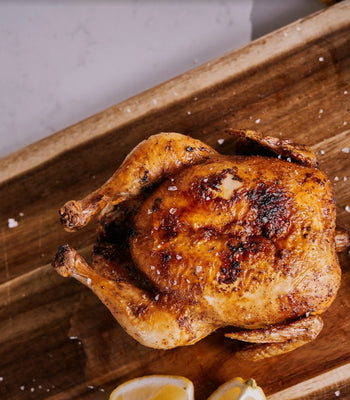
| Whole Chicken (4.5 lbs) | 355°F | 55–60 min | — |
3. Beef & Pork
| Food | Temp (°F) | Time | Flip |
|---|---|---|---|
| New York Strip (1-inch) | 450°F | 6–12 min | Flip |
| Boneless Ribeye (1-inch) | 450°F | 6–12 min | Flip |
| Bone-In Ribeye (¾–1¼ inch) | 450°F | 6–14 min | Flip |
| Flank Steak (1-inch) | 450°F | 8–14 min | Flip |
| Hamburger (½–¾ inch, 4 oz) | 450°F | 6–14 min | Flip |
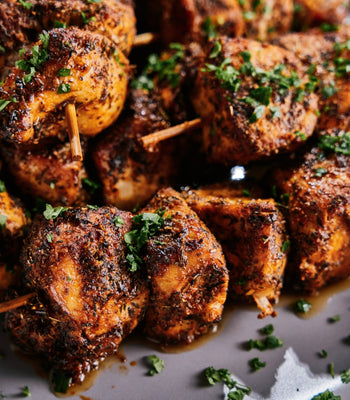
| Skewers (1-inch cubes) | 450°F | 6–8 min | Turn |
| Pork Chop (Boneless) | 450°F | 6–14 min | Flip |
| Pork Chop (Bone-In) | 450°F | 8–16 min | Flip |
| Pork Tenderloin (1 lb) | 385°F | 18–25 min | — |
| Meatballs (2-inch) | 390°F | 10–14 min | Shake |
| Bacon (Regular) | 385°F | 5–8 min | Flip |
| Bacon (Thick Cut) | 385°F | 6–10 min | Flip |
| Sausage (Raw, 2-inch) | 410°F | 7–12 min | Turn |
4. Seafood
| Food | Temp (°F) | Time | Notes |
|---|---|---|---|
| Salmon Fillet (1-inch) | 380°F | 6–12 min | — |
| Salmon Fillet (Thin, ½–¾ inch) | 380°F | 6–8 min | — |
| White Fish Fillet (1–2 inches) | 380°F | 8–12 min | — |
| Shrimp (Large) | 450°F | 3–5 min | Shake |
| Scallops | 450°F | 3–7 min | — |
| Lobster Tail | 380°F | 8–10 min | — |
| Calamari (¼-inch rings) | 450°F | 5–9 min | Shake |
5. Frozen Foods
| Food | Temp (°F) | Time | Shake/Flip |
|---|---|---|---|
| Chicken Nuggets | 385°F | 7–12 min | Shake |
| Chicken Tenders | 385°F | 8–12 min | Flip |
| Mozzarella Sticks | 395°F | 6–9 min | Flip |
| Onion Rings | 390°F | 10–16 min | Shake |
| French Fries (Thin Cut) | 395°F | 14–18 min | Shake |
| French Fries (Thick Cut) | 395°F | 16–22 min | Shake |
| Sweet Potato Fries | 395°F | 14–18 min | Shake |
| Tater Tots | 400°F | 16–24 min | Shake |
| Fish Sticks | 395°F | 6–14 min | Flip |
| Egg Rolls / Spring Rolls | 400°F | 6–10 min | Flip |
| Dumplings / Potstickers | 385°F | 6–12 min | — |
| Taquitos | 375°F | 6–12 min | — |
| Burrito (foil-wrapped) | 320°F | 14–20 min | Flip |
| Breaded Shrimp | 390°F | 7–12 min | Shake |
| Fish Fillets | 400°F | 8–16 min | Flip |
6. Baked Goods
| Food | Temp (°F) | Time | Notes |
|---|---|---|---|
| Cookies | 300°F | 10–14 min | Use parchment paper |
| Cake (8-inch round) | 300°F | 20–30 min | Cover with foil if top browns too fast |
| Cupcakes / Muffins | 300°F | 10–15 min | ¼ cup batter each |
| Cheesecake (6-inch) | 280°F | 20–30 min | Cover with foil if needed |
| Quick Bread (mini loaf) | 300°F | 25–35 min | 3×5×2-inch pan |
| Biscuits (3-inch round) | 330°F | 11–15 min | — |
| Cinnamon Rolls | 330°F | 10–15 min | — |
Cooking times may vary by food thickness, starting temperature, and basket load. Always check doneness a few minutes before the end of the time range.
Adjusting for Thickness
Thickness has the most direct impact on cook time. As a reliable guide, add 3–5 minutes for every additional ½ inch of thickness beyond the base recipe.
A few specific cases to keep in mind:
- Bone-In Cuts: These take longer than boneless equivalents at the same weight. Allow 20–30% more time.
- Dense Vegetables: Whole beets and thick carrot rounds, for example, need more time than the same vegetables cut smaller.
- Thin-Cut Proteins: Chicken cutlets and fish fillets under ¾ inch cook faster than expected, so check on them sooner.
Fresh vs. Frozen
Most frozen foods can go straight from freezer to basket with no thawing required.
- Add 2–5 minutes to the fresh cook time as a starting point.
- Avoid overcrowding frozen items. Ice crystals release moisture as they heat, and a full basket will steam the food rather than crisp.
- Most frozen items do not require added oil.
Internal Temperature Is the True Measure of Doneness
Remember, cook times are estimates. Internal temperature is what confirms food is done and safe to serve. Use an instant-read thermometer as your final check.
| Food | Safe Internal Temp |
|---|---|
| Chicken & Poultry | 165°F |
| Ground Beef | 160°F |
| Pork | 145°F |
| Fish & Seafood | 145°F |
| Steak (varies by preference) | 130°–145°F |

Tips From Our Chefs
Give food room in the basket. Overcrowding blocks the airflow that makes air frying effective. For a deeper look at why air fryer circulation produces crispier results than a standard oven, check out our Air Fryer vs. Oven guide. A full basket leads to uneven browning and longer cook times.
Spritz with oil. A light coat of oil before cooking makes a meaningful difference in browning and texture. Use an oil spray bottle with your preferred oil, or a propellant-free store-bought spray. Cooking sprays containing propellants can damage the basket coating over time.
Bread in the right order. For breaded items, sequence matters: flour first, then egg, then breadcrumbs. Press the breadcrumbs in firmly. A loose coating will fall off or cook unevenly.
Line the basket for easy cleanup. Aluminum foil, parchment paper, an air fryer liner, or a silicone mat all work well. One important note: never place lightweight liners in the basket without food on top. Without weight to hold them in place, they can lift toward the heating element and create a fire hazard.
Always use oven mitts. The basket and crisper plate remain hot during and after cooking. Use mitts when flipping food or removing the crisper plate.
Reheat at higher heat for crispier results. Foods that need their texture restored — fries, wings, breaded items — respond best to a higher temperature for a shorter time. Sweet potato fries, for example, recrisp well at 390°F for about 3 minutes. For proteins and vegetables, use 320°–370°F and always reheat proteins to their safe internal temperature before serving.
Proofing dough. When using the Proof function, remove the crisper plate and use a bowl that fits easily in the basket. Wrap the bowl tightly in plastic wrap both under and over, overlapping at the top. This keeps the wrap secured and prevents the dough from forming a tough skin on the surface. If a recipe calls for proofing in "a warm place," set the Proof function to 90°F.
Cooking two items at once. Multiple items can be cooked together when they share the same temperature, cook time, and are safe to prepare together. Planning meals around that pairing makes the Iconic even more efficient.
Common Mistakes That Affect Cook Times
Overcrowding the basket.
Restricted airflow means food steams instead of crisps, and cook times become unpredictable. Two smaller batches will consistently outperform one crowded basket.
Skipping the flip or shake.
Even, all-around browning requires turning food partway through. The chart above indicates which foods need it. Skipping this step is one of the most common reasons results come out uneven.
Skipping the preheat.
The Iconic performs best when it reaches the target temperature before food goes in. A 3-minute preheat is sufficient for most foods. The exception is hard-boiled eggs, which are placed into a cold basket.
Using time to judge doneness.
A timer is a cue to check, not a guarantee. For proteins, always verify with an instant-read thermometer. Internal temperature is the reliable measure of doneness.
Using wet batter.
Traditional wet batters such as beer batter or tempura are not suited to air frying. For anything requiring a coating, use a dry breading or panko for clean, crispy results.
FAQs
Do I need to preheat the Cosori Iconic?
Yes, for most foods. A 3-minute preheat at the target temperature helps the Iconic deliver consistent browning and accurate cook times from the start.
Why are my cook times different from the chart?
Basket load, food thickness, starting temperature, and moisture content all influence actual cook time. The chart provides a calibrated starting point. Use your thermometer and visual cues to confirm doneness and adjust from there.
Can I stack food in the basket?
In most cases, no. Stacking prevents hot air from reaching all surfaces evenly, resulting in soft spots and inconsistent cooking. Small items like fries or nuggets can be layered if shaken regularly, but proteins and anything requiring even crispiness should be cooked in a single layer.
Does the Iconic cook faster than a conventional oven?
Yes. The Iconic's compact chamber and rapid air circulation typically reduce cook time compared to a conventional oven at the same temperature. That is the reason the conversion formula calls for reducing both temperature and time when adapting oven recipes.
The information provided here is for informational and educational purposes only and should not be used in medical emergencies or for diagnosing or treating any medical condition. It's crucial to consult a licensed medical professional for diagnosis and treatment. External links are for informational purposes and do not constitute endorsements. No warranty of any kind, either expressed or implied, is made as to the products and/or the accuracy, reliability, timeliness, or correctness of the information provided herein.