


Collection: Food Dehydrators
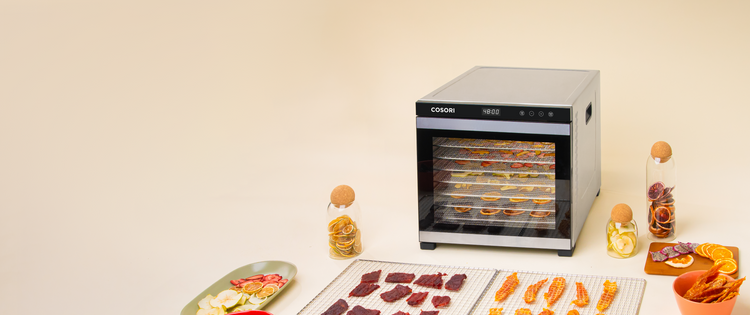
Discover the ultimate solution for all your dehydrating needs with COSORI Food Dehydrators. Available in various sizes, they allow you to create a wide array of delicious treats, including crispy apple chips, flavorful beef jerky, dried herbs, crunchy vegetable chips, and even homemade dog treats.
-
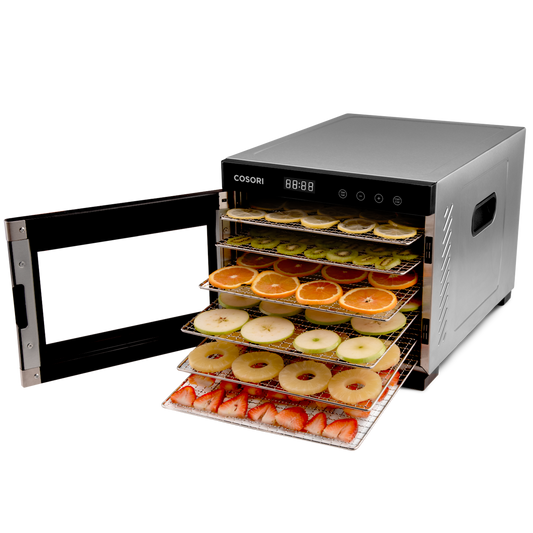
COSORI Premium 6-Tray Stainless Steel Food Dehydrator
Regular price From $139.99Regular priceUnit price per$159.99Sale price From $139.99Sale -
Premium Mini 5-Tray Food Dehydrator
Regular price $109.99Regular priceUnit price per$119.99Sale price $109.99Sale -

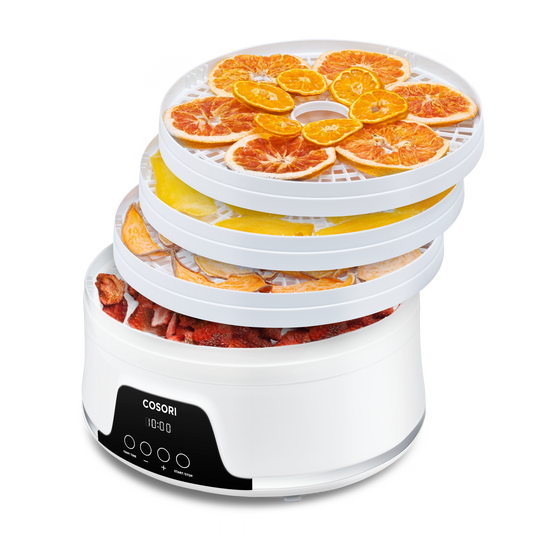 Sold out
Pioneer 5-Tray Food Dehydrator
Regular price $49.99Regular priceUnit price per$49.99Sale price $49.99Sold out -
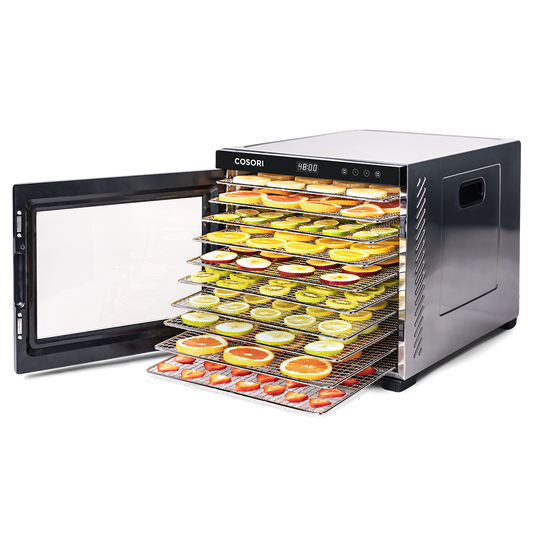
Premium Pro 10-Tray Food Dehydrator
Regular price $299.99Regular priceUnit price per$299.99Sale price $299.99



Why Shop Cosori ?


Frequently Asked Questions
What is a food dehydrator used for?
A food dehydrator is used to remove moisture from foods, which can help extend shelf life and preserve ingredients. It is commonly used for making dried fruits, beef jerky, herbs, and snacks.
How does a food dehydrator work?
A food dehydrator works by circulating warm air around food to gradually remove moisture. This process may help preserve food while maintaining flavor and texture.
What size food dehydrator do I need?
The best size depends on batch quantity and kitchen space. To help you choose, consider the number of trays each model provides:
Compact & Occasional-Use Dehydrator (5-Tray): Ideal for beginners or small kitchens, it's perfect for dehydrating a few bags of apple chips or a pound of jerky.
Versatile, Everyday Dehydrator (6-Tray): Our most popular choice for consistent hobbyists, it’s the sweet spot for processing a full harvest of herbs or large batches of fruit leather.
The Batch Dehydrator (10-Tray): Designed for serious dehydrating and large families, this allows you to dehydrate bulk quantities of herbs, meats, and vegetables in a single cycle, maximizing your time through batch dehydrating.
What is the difference between 5-tray, 6-tray, and 10-tray food dehydrators?
Small dehydrators with 5 trays are designed for small portions and simple use cases, such as snacks or single servings.
Mid-size models with about 6 trays are generally suitable for everyday use, offering a balance between capacity and convenience.
Larger models with 10 trays provide more drying space and may be more suitable for batch preparation or frequent use.
Which food dehydrator is best for beginners?
Smaller or mid-size dehydrators are generally suitable for beginners, as they are easier to manage and require less preparation. Models with simple controls and preset settings can help users get started more easily.
Which dehydrator is best for making jerky or large batches?
Larger dehydrators with multiple trays are generally more suitable for making jerky or preparing larger batches as they provide more drying space and allow multiple items to be processed at once.
What makes Cosori food dehydrators different?
Cosori food dehydrators are designed with multiple trays, precise temperature control, and reliable airflow systems that can help promote even drying.
Some models also include stainless steel trays and digital controls for added convenience.
What foods can I dehydrate?
A wide variety of foods can be dehydrated, including fruits, vegetables, meats, and herbs.
It is commonly used for making snacks such as dried fruit, jerky, and vegetable chips.
Do I need to rotate the trays during drying?
The airflow system in Cosori dehydrators is designed to promote even drying.
However, depending on the model and food type, rotating trays occasionally may help achieve more consistent results.
Can I make beef jerky in a food dehydrator?
Yes, food dehydrators can be used to make beef jerky.
Preparation methods and drying times may vary depending on the recipe and ingredients used.
How do I clean a food dehydrator?
The trays can be cleaned with warm water, mild soap, and a non-abrasive sponge. The interior and exterior can be wiped down as needed.
We recommend allowing the appliance to cool completely before cleaning.
Is dehydrated food healthy?
Dehydrated food can retain many of its original nutrients, depending on the ingredients and preparation method.
Dehydrating is a convenient option for making snacks without added preservatives.
How should I store dehydrated food?
Dehydrated food should be stored in airtight containers and kept in a cool, dry place. Storage time may vary depending on the type of food and storage conditions.