


If you've ever brewed freshly ground coffee by hand, you've probably noticed the grounds rise, bubble, and expand as soon as hot water is poured over them. That moment is known as the coffee bloom, and it plays an important role in the brewing process.
While it only lasts about 30–45 seconds, the bloom helps prepare the coffee bed for a more even extraction. For anyone looking to get more from their coffee beans, understanding this simple step can make a meaningful difference in the flavor of every cup.
In this guide, we'll explore what coffee bloom is, why it matters, and how thoughtful brewing techniques, whether by hand or with Juni™, help create a more balanced extraction.
What Is Coffee Bloom?
Coffee bloom is the rapid release of carbon dioxide that occurs when hot water first comes into contact with freshly ground coffee.
As the grounds absorb water, trapped gases begin to escape, causing the coffee bed to swell and bubble. This process typically lasts between 30 and 45 seconds before brewing continues.
Although brief, the bloom plays an important role in preparing the coffee grounds for extraction.
The Science Behind Coffee Bloom
To understand the bloom, it helps to understand what happens during roasting.
As coffee beans are roasted, naturally occurring chemical reactions create carbon dioxide within the beans. While some of this gas escapes shortly after roasting, much of it remains trapped inside the bean's cellular structure and gradually releases over time through a process known as degassing.
Grinding coffee exposes significantly more surface area, making it easier for the remaining carbon dioxide to escape. When hot water reaches the freshly ground coffee, the gas is released rapidly, creating the bubbling effect.
Why Does Coffee Bloom Matter?
Blooming helps create the conditions for a more even and consistent extraction.
Promotes More Even Extraction
Freshly roasted coffee contains trapped carbon dioxide, which can make it more difficult for water to fully penetrate the coffee bed during the first moments of brewing.
Allowing the coffee to bloom gives much of that gas time to escape before the main brew begins, helping water move more evenly through the grounds. More even saturation supports a more balanced extraction across the entire coffee bed.
Supports Balanced Flavor
Coffee extraction depends on water making consistent contact with the grounds.
When the bloom is complete before the main pour begins, water can more effectively extract the coffee's desirable flavors and aromas. This helps produce a cup with greater balance and clarity.
A Helpful Indicator of Freshness
The bloom can also provide a useful indication of coffee freshness.
Freshly roasted beans typically produce a more active bloom because they contain more trapped carbon dioxide. As coffee ages and naturally degasses, the bloom becomes less pronounced.
While bloom alone isn't a definitive measure of freshness, it can offer a helpful visual cue when evaluating your coffee.

What Affects Coffee Bloom?
Every coffee blooms a little differently. Several factors influence how vigorous the bloom appears:
Roast Date
Coffee roasted within the past few weeks generally produces a more active bloom than older coffee because more carbon dioxide remains trapped inside the beans.
Roast Level
Roast profile also influences degassing. Darker roasts often release carbon dioxide more quickly due to changes in the bean's structure during roasting, while lighter roasts may release gas more gradually.
Water Temperature
Water temperature plays an important role in both blooming and extraction. The SCA recommends brewing between 195°F and 205°F (90°C and 96°C) to support balanced extraction.
Grind Size
Finer grinds expose more surface area, allowing carbon dioxide to escape more quickly. Coarser grinds may produce a bloom that appears less dramatic while still supporting proper extraction.
How to Bloom Coffee During a Manual Pour-Over
If you're brewing manually, blooming your coffee is straightforward with a little attention to detail.
1. Heat Your Water
Heat your brewing water between 195°F and 205°F (90°C and 96°C).
2. Add Just Enough Water
Pour approximately twice the weight of your coffee in water. For example, if you're brewing with 20 grams of coffee, begin with about 40 grams of water.
3. Wet the Entire Coffee Bed
Starting in the center, slowly pour outward in gentle circles until all of the grounds are evenly saturated.
4. Wait 30–45 Seconds
Allow the coffee to bloom before continuing the brew. During this time, you'll notice the grounds expand as carbon dioxide is released.
5. Resume Brewing
Once the bubbling begins to slow, continue your remaining pours according to your preferred brewing method.

Juni™: Automating the Bloom
Manual pour-over rewards precision, but achieving a consistent bloom requires careful control over pouring technique and timing.
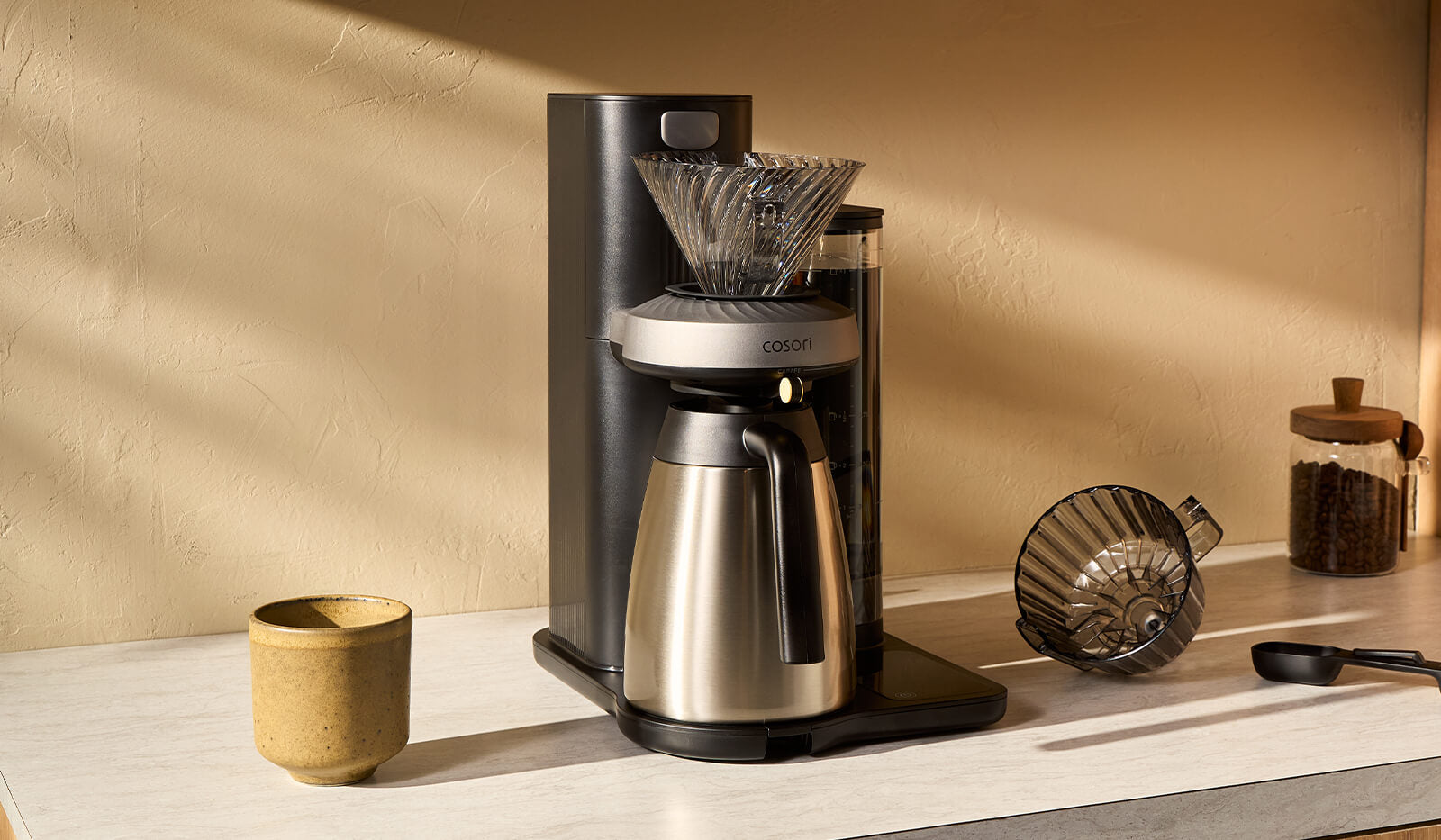
Designed around the principles of pour-over, Cosori Juni™ helps automate these variables while preserving the quality and intention behind the brewing process.
Automated Bloom
Juni™ automatically performs a bloom phase by gently saturating the coffee bed before briefly pausing the brew. This gives freshly ground coffee time to release trapped carbon dioxide before extraction continues.
Swirl Motion Extraction
Juni™ pairs a horizontally moving nozzle with a rotating brew basket to help distribute water evenly across the coffee bed, supporting consistent saturation throughout the brew cycle.
Specialty Coffee, Simplified
By combining thoughtful engineering with brewing techniques inspired by manual pour-over, Juni™ delivers a coffee experience designed for consistency without adding complexity to your morning routine. Explore the technology behind Cosori Juni™.

Frequently Asked Questions
Why didn't my coffee bloom?
The most common reason is that the coffee has already released much of its carbon dioxide through natural degassing. Older beans typically produce a less active bloom than freshly roasted coffee. Water that's below the recommended brewing temperature may also reduce the visible bloom.
Does every brewing method benefit from blooming?
Blooming is most commonly associated with pour-over coffee, but the same principle applies to many brewing methods. Allowing freshly ground coffee to release trapped carbon dioxide before full extraction can support more even brewing across a variety of methods.
How long should coffee bloom?
For most coffees, 30–45 seconds is a good starting point. Exceptionally fresh coffee may benefit from a slightly longer bloom before brewing continues.
The Importance of Coffee Bloom
Coffee bloom may only last a few seconds, but it plays an important role in extraction. Allowing freshly ground coffee to release trapped carbon dioxide before the main brew begins helps water move more evenly through the coffee bed, supporting greater balance and clarity in every cup.
Whether you enjoy brewing by hand or prefer the convenience of thoughtfully engineered automation, understanding the bloom is one of the simplest ways to elevate your coffee experience.
Designed around the principles of pour-over, Juni™ brings together automated bloom, Swirl Motion Extraction™, and innovative brewing technology to help you enjoy exceptional coffee, cup after cup.