


Pour-over coffee has become one of the most popular ways to brew at home. Known for its clarity, balance, and hands-on process, it gives coffee drinkers more control over how each cup tastes.
Still, the method can feel intimidating if you are unfamiliar with the equipment, ratios, or pouring technique.
This guide explains what pour-over coffee is, how it works, and whether it fits your brewing preferences. You will also learn how automated pour-over brewers such as Juni™ bring greater consistency and convenience to the process.
What Is Pour-Over Coffee?
Pour-over coffee is a brewing method in which hot water is gradually poured over freshly ground coffee resting inside a filter. Gravity draws the water through the coffee bed, extracting flavor before the brewed coffee drips into a mug or carafe below.
Automatic drip coffee makers use a similar general process, but manual pour-over gives you direct control over several important brewing variables, including:
- Water temperature
- Pouring speed
- Water distribution
- Brew time
- Coffee-to-water ratio
This level of control allows you to adjust the brewing process based on the coffee you are using and the flavor profile you prefer.
When prepared carefully, pour-over coffee is often appreciated for its clarity, aroma, and ability to highlight the distinct characteristics of different beans.
Understanding Pour-Over Coffee Ratios
The coffee-to-water ratio influences the strength, body, and overall balance of your brew.
Because coffee beans vary in size and density, weighing both the coffee and water provides greater consistency than measuring by volume. A digital scale can help you repeat a recipe or make small adjustments from one brew to the next.
A common starting range for pour-over coffee is between 1:15 and 1:17, meaning 1 gram of coffee for every 15 to 17 grams of water.

1:15 Ratio: Fuller & More Concentrated
A 1:15 ratio creates a stronger cup with a fuller body and more concentrated flavor.
For example:
- 20 grams of coffee
- 300 grams of water
This ratio may suit people who prefer a richer cup or are brewing coffee with deeper, more developed tasting notes.
1:16 Ratio: Balanced & Versatile
A 1:16 ratio is a reliable starting point for many coffees.
For example:
- 20 grams of coffee
- 320 grams of water
It creates a balanced cup with enough strength to feel satisfying while still allowing the coffee’s individual characteristics to come through.
1:17 Ratio: Lighter & More Delicate
A 1:17 ratio produces a lighter cup with greater delicacy and clarity.
For example:
- 20 grams of coffee
- 340 grams of water
This ratio can work well for coffees with floral, fruit-forward, or tea-like notes.
There is no single ratio that works best for every coffee. Your roast level, grind size, and personal preferences can all influence which recipe tastes best to you.
How Pour-Over Coffee Works
Although the process requires attention, the basic mechanics are straightforward. A typical manual pour-over includes three main stages:
1. Bloom the Coffee
The first pour is designed to evenly wet the coffee grounds and release trapped carbon dioxide.
A common starting point is to use approximately twice the weight of the coffee in water. For 20 grams of coffee, you would begin with about 40 grams of water.
Allow the coffee to bloom for approximately 30–45 seconds before continuing.
This initial step helps prepare the coffee bed for more even saturation during the rest of the brew.
2. Complete the Main Pour
After the bloom, gradually add the remaining water.
Many brewers pour in slow circles, working from the center toward the outer edges of the coffee bed. This helps distribute water more evenly across the grounds.
The water may be added in one continuous pour or several controlled intervals, depending on the brewer and recipe.
3. Allow the Coffee to Draw Down
As water passes through the coffee grounds, it extracts the compounds that contribute to aroma, acidity, sweetness, body, and flavor.
The rate at which the coffee draws down is influenced by several variables, including:
- Grind size
- Coffee dose
- Pouring speed
- Filter type
- Brewer shape
A balanced brew depends on how these variables work together throughout the extraction.
Pour-Over vs. Automatic Drip Coffee
Pour-over and automatic drip coffee use similar principles, but the brewing experiences are different.
| Brewing Factor | Manual Pour-Over | Automatic Drip Coffee |
|---|---|---|
| Water temperature | Controlled by the person brewing | Controlled by the machine |
| Water distribution | Adjusted through pouring technique | Determined by the brewer’s water outlet |
| Bloom phase | Performed manually | Depends on the machine |
| Technique required | Requires practice and attention | Typically requires minimal input |
| Active brewing time | Requires hands-on pouring | Usually begins with the press of a button |
| Consistency | Can vary with technique | Depends on the brewer’s performance |
| Customization | Offers extensive manual control | Varies by model and settings |
Manual pour-over gives you more direct control over the brewing process. That flexibility can be rewarding, especially if you enjoy experimenting with different coffees and techniques.
An automatic brewer is generally easier to use and may provide more repeatable results from one morning to the next.

Who Is Pour-Over Coffee For?
Pour-over may be a good fit if you enjoy exploring how small adjustments influence the flavor of your coffee.
You Crave a Coffee Experience
Pour-over brewing can help highlight the qualities that make each coffee distinct, including its aroma, acidity, sweetness, and body.
This can be especially appealing if you enjoy trying different origins, processing methods, or roast profiles.
You Enjoy a Hands-On Brewing Process
Manual pour-over involves active participation from beginning to end.
Measuring the coffee, controlling the pour, and watching the coffee draw down can make brewing feel more intentional and engaging.
You Want More Control Over Your Coffee
Pour-over allows you to adjust variables such as water temperature, ratio, grind size, and pouring technique.
This gives you the freedom to refine your recipe based on the coffee you are brewing or the flavor you want to achieve.
You Are Willing to Practice
Consistency takes time.
Pour speed, water placement, timing, and grind size can all influence the final result. Coffee drinkers who enjoy learning and experimentation may find this process especially satisfying.
Can You Get Pour-Over Quality from an Automatic Coffee Maker?
Manual brewing is not the only way to enjoy coffee inspired by pour-over techniques.
Automated pour-over coffee makers are designed to manage key brewing variables on your behalf, including timing, water distribution, and bloom.
This makes the method more accessible to people who want greater consistency without performing every step manually.
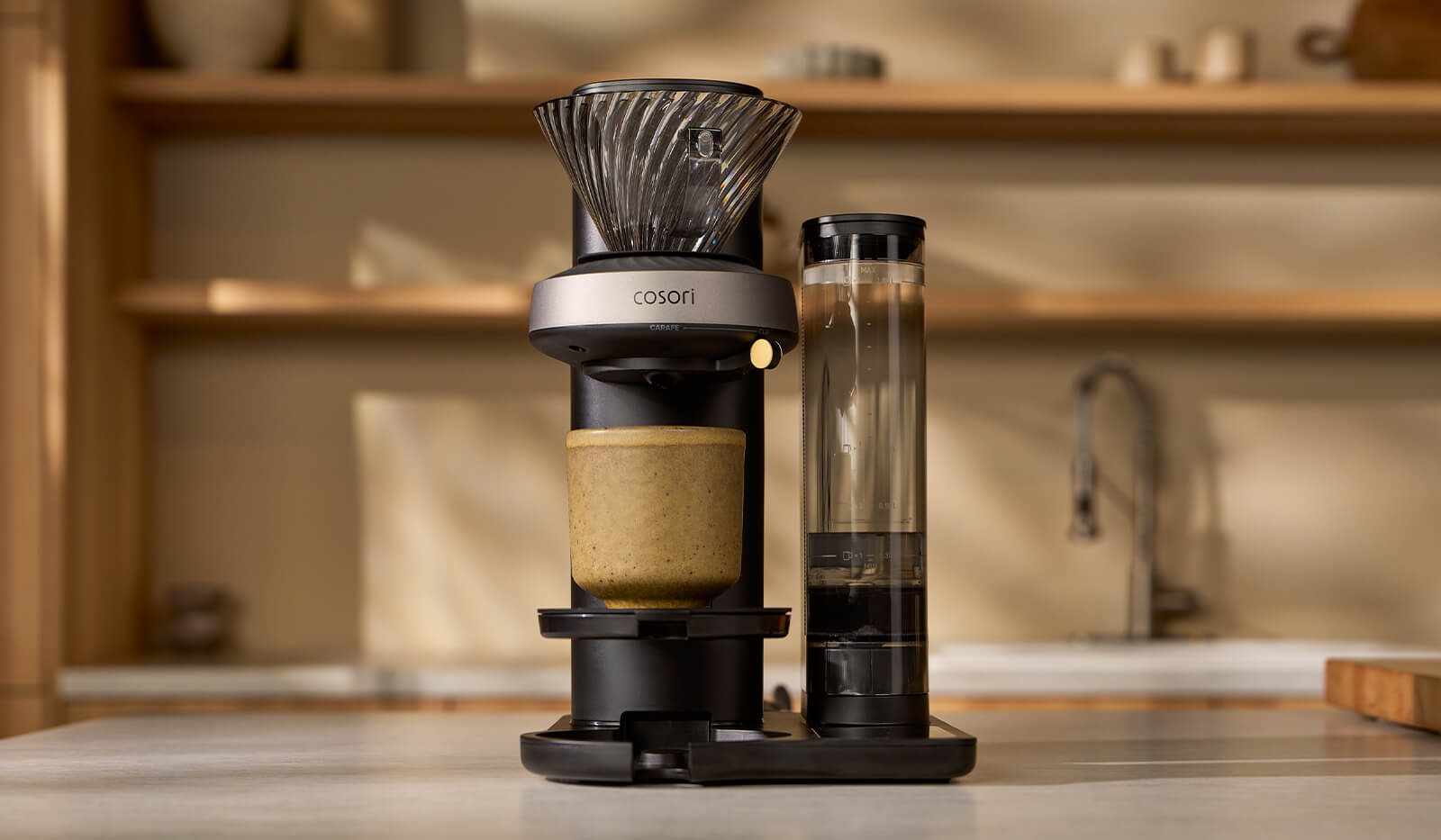
Juni™ brings together automated brewing and techniques inspired by manual pour-over, helping create a more consistent and intuitive experience at home.
How Juni™ Automates the Pour-Over Process
Juni™ is designed around the principles of specialty coffee brewing. Its automated features help manage the variables that normally require careful manual attention.
Automated Bloom
Juni™ begins by gently saturating the coffee grounds and briefly pausing the brew.
This gives the coffee time to release trapped carbon dioxide before the main extraction continues, helping prepare the coffee bed for more even brewing.
Swirl Motion Extraction
A horizontally moving nozzle works together with a rotating brew basket to distribute water across the coffee bed.
This coordinated movement is inspired by the controlled pouring patterns used in manual pour-over brewing and helps support even saturation.
Repeatable Brewing
Manual technique can vary from day to day. Juni™ automates key steps in the brewing process, helping you repeat your preferred results with less active attention.
The result is an approachable way to enjoy the clarity and complexity associated with pour-over coffee without relying on a practiced pouring technique every morning.

Find the Pour-Over Experience That Fits Your Routine
Pour-over coffee offers a thoughtful approach to brewing, giving you greater control over the variables that shape each cup. For some coffee drinkers, the appeal is found in the manual process. For others, consistency and convenience are equally important.
Understanding how bloom, water distribution, temperature, ratio, and drawdown work together can help you make more informed choices about your coffee, regardless of how you prefer to brew.
Juni™ brings these principles into an automated experience through Swirl Motion Extraction™ and a built-in bloom phase. It offers a more approachable way to enjoy pour-over-inspired coffee with the consistency of a thoughtfully engineered brewer.
Frequently Asked Questions
Is Pour-Over Coffee Stronger Than Drip Coffee?
Pour-over coffee is not automatically stronger in caffeine or flavor.
Strength depends largely on the amount of coffee and water used. However, the controlled extraction of pour-over brewing can produce a cup with greater clarity and more noticeable tasting notes.
How Long Does Pour-Over Coffee Take?
A manual pour-over typically takes approximately three to four minutes once the water is heated.
The total time can vary depending on your grind size, pouring technique, coffee dose, and brewer.
What Grind Size Is Best for Pour-Over?
A medium-fine grind is a common starting point for many pour-over brewers.
If the water drains too slowly or the coffee tastes overly bitter, the grind may be too fine. If the water moves through too quickly or the coffee tastes thin or sour, the grind may be too coarse.
Make small adjustments until the coffee reaches your preferred balance.
Do You Need a Gooseneck Kettle for Pour-Over?
A gooseneck kettle is not strictly required, but it is recommended because its narrow spout gives you more control over the speed and placement of the water.
That precision can make it easier to evenly saturate the coffee bed and maintain a steady pour.
Is Pour-Over Coffee Worth the Effort?
That depends on what you enjoy about coffee.
Manual pour-over can be rewarding if you value control, experimentation, and a hands-on brewing process. An automated pour-over brewer may be better suited to people who prefer the same brewing principles with greater convenience and repeatability.